Dxomark Updates Smartphone Display Testing Protocol, Introduces Eye Comfort Label
Key updates include an enhancement in readability testing, which now extends to brighter conditions up to 50,000 lux, using a newly developed dome system.
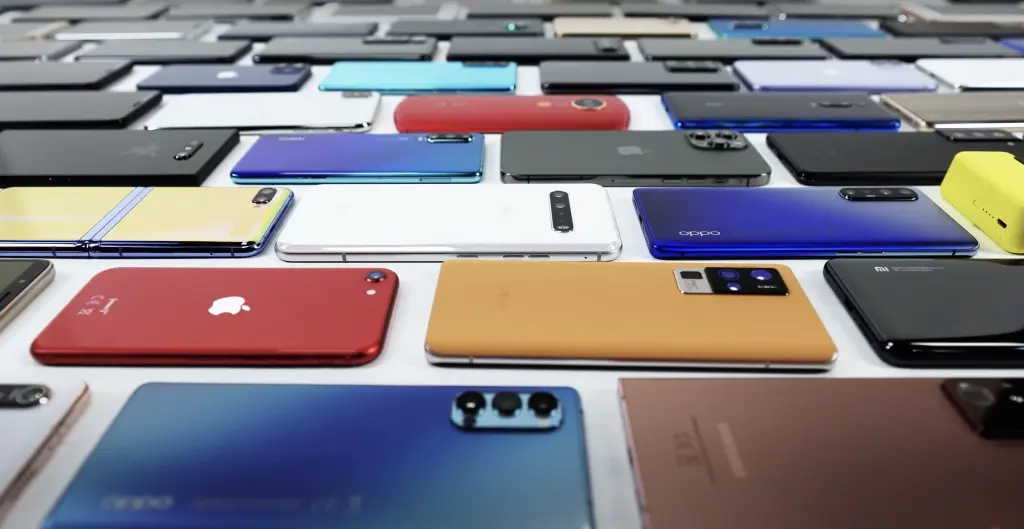
Dxomark Updates Smartphone Display Testing Protocol, Introduces Eye Comfort Label
Key updates include an enhancement in readability testing, which now extends to brighter conditions up to 50,000 lux, using a newly developed dome system.
News
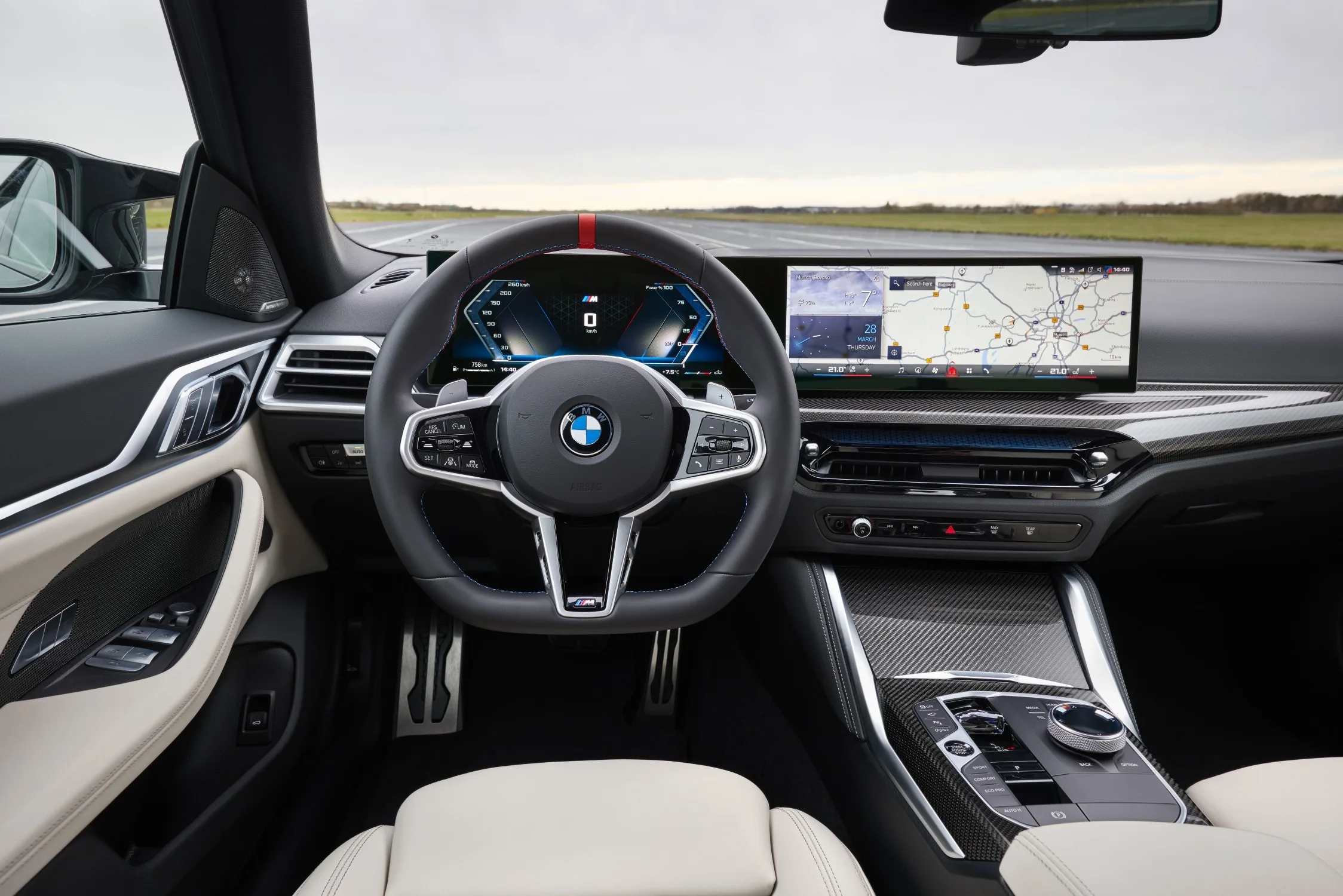
The BMW i4 Upgrade: Less Knobs, More Central Display
BMW has minimized the use of physical buttons by incorporating the new QuickSelect feature in the iDrive system, which allows for various car functions like climate control and seat and steering wheel heating to be controlled through the center display.
News
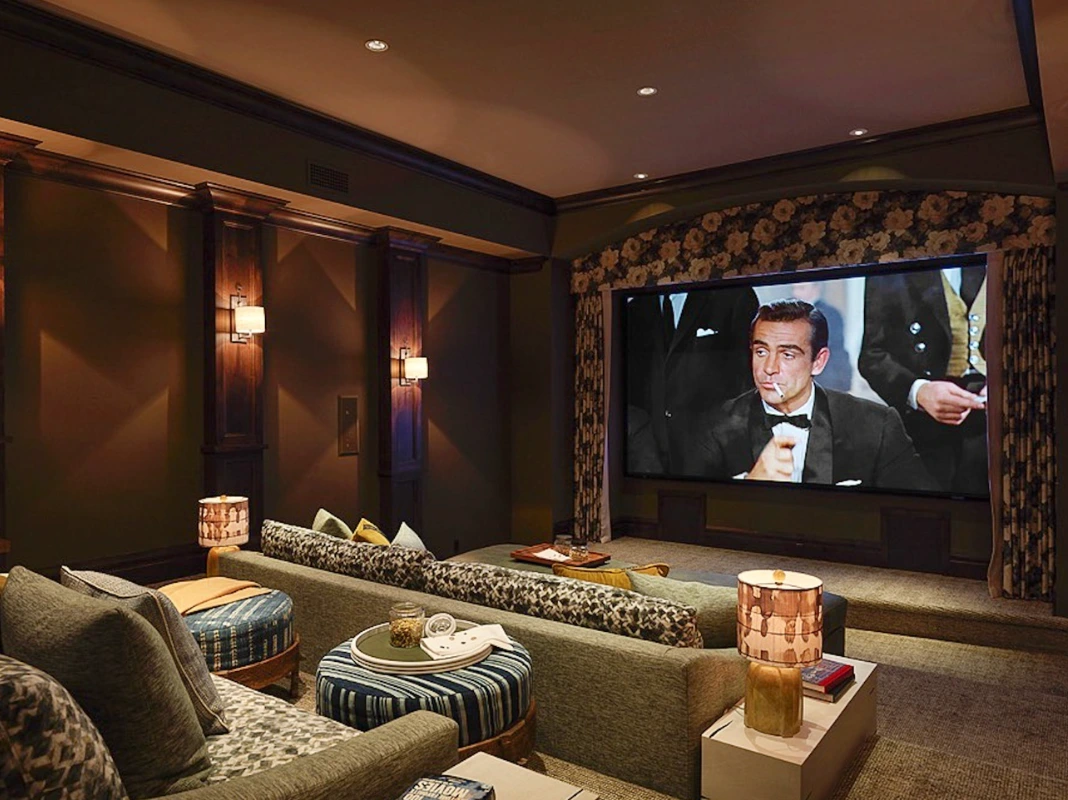
Bigger Screens, Bigger Market: Large-Area Display Sales Set to Surge in 2024
There is an expected surge in TV display shipments, which are projected to account for 77.1% of the total area shipped in 2024.
News
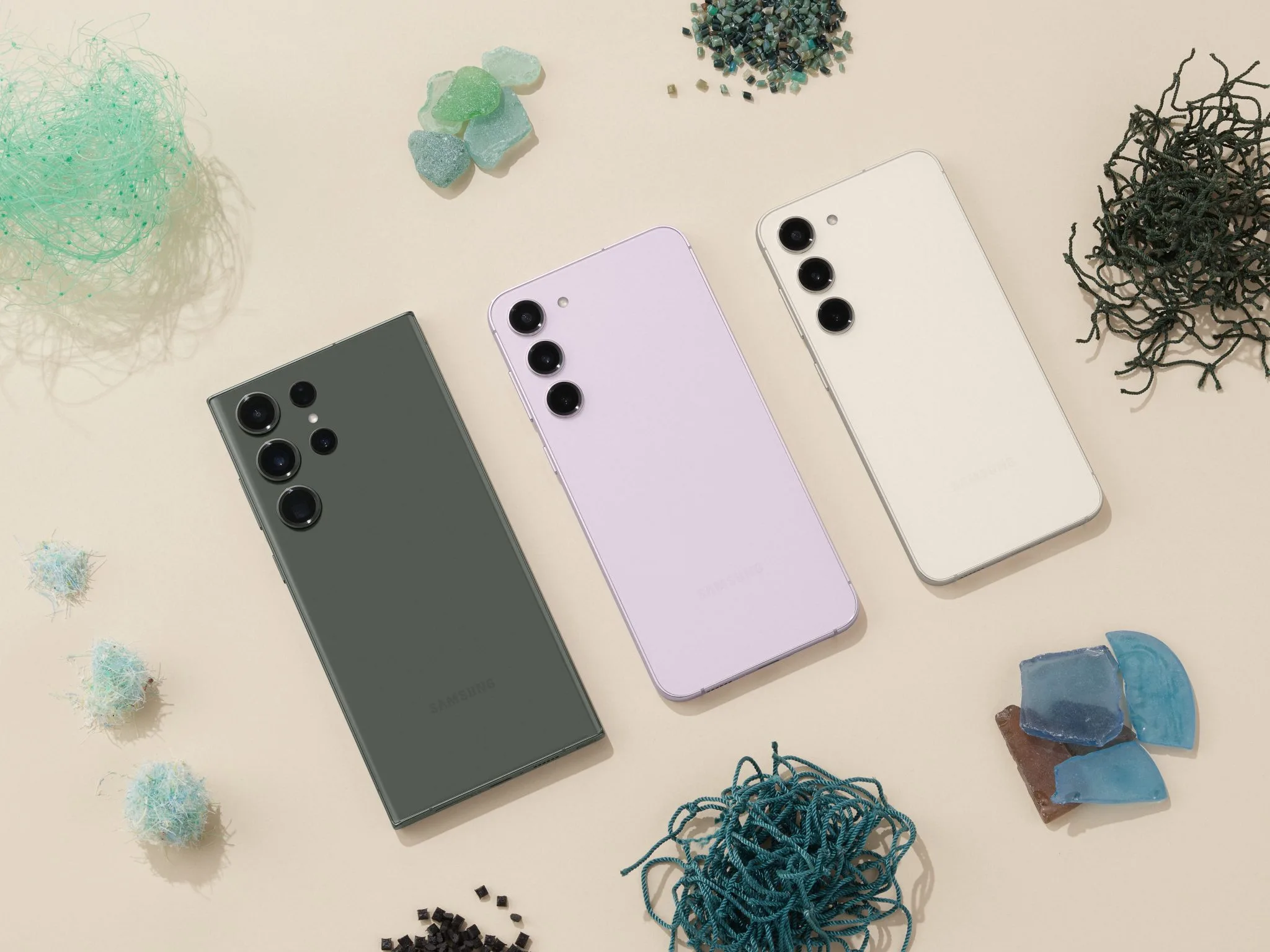
Samsung Forced to Offer One-Time Free Screen Replacement for Galaxy Smartphones
The specific models eligible for this free replacement are the Galaxy S20 series, Note 20 and Note 20 Ultra, the S21 series (excluding the Fan Edition), and the S22 Ultra.
News
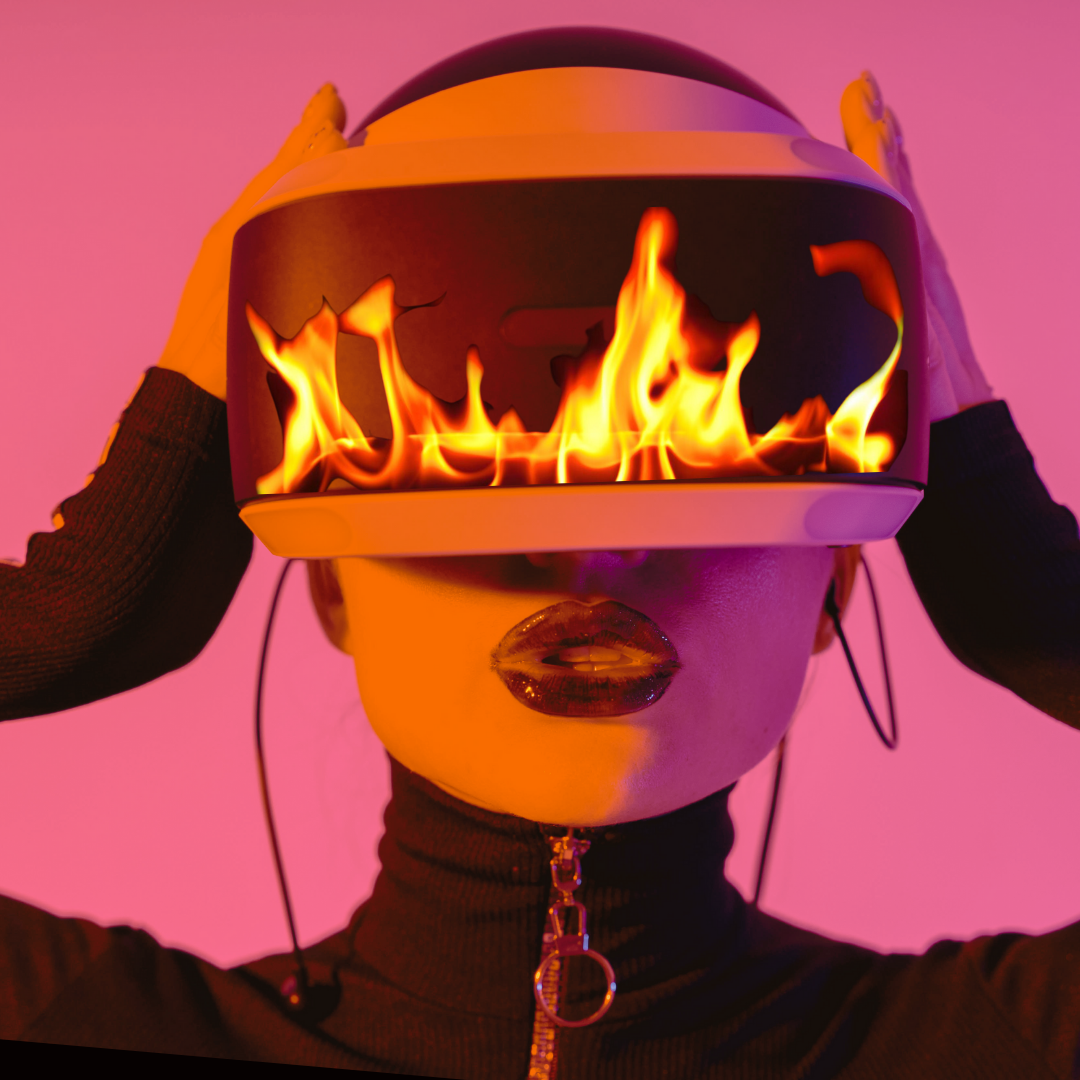
Oracle of Apple Says Vision Pro Shipment Forecasts Drastically Cut
The lower-than-expected demand for the Vision Pro impacts the broader market for MR headsets, as the Vision Pro struggles with issues such as the lack of essential applications, high pricing, and comfort.
News
IT Distribution Revenues Dip 5.5% in Q1 2024 Amid Market Adjustment and Declining Hardware Sales
The sector is anticipated to gain momentum later in the year, spurred by the upcoming end of support for Windows 10 in October 2025 and expected new releases in Apple’s iPad lineup.
News
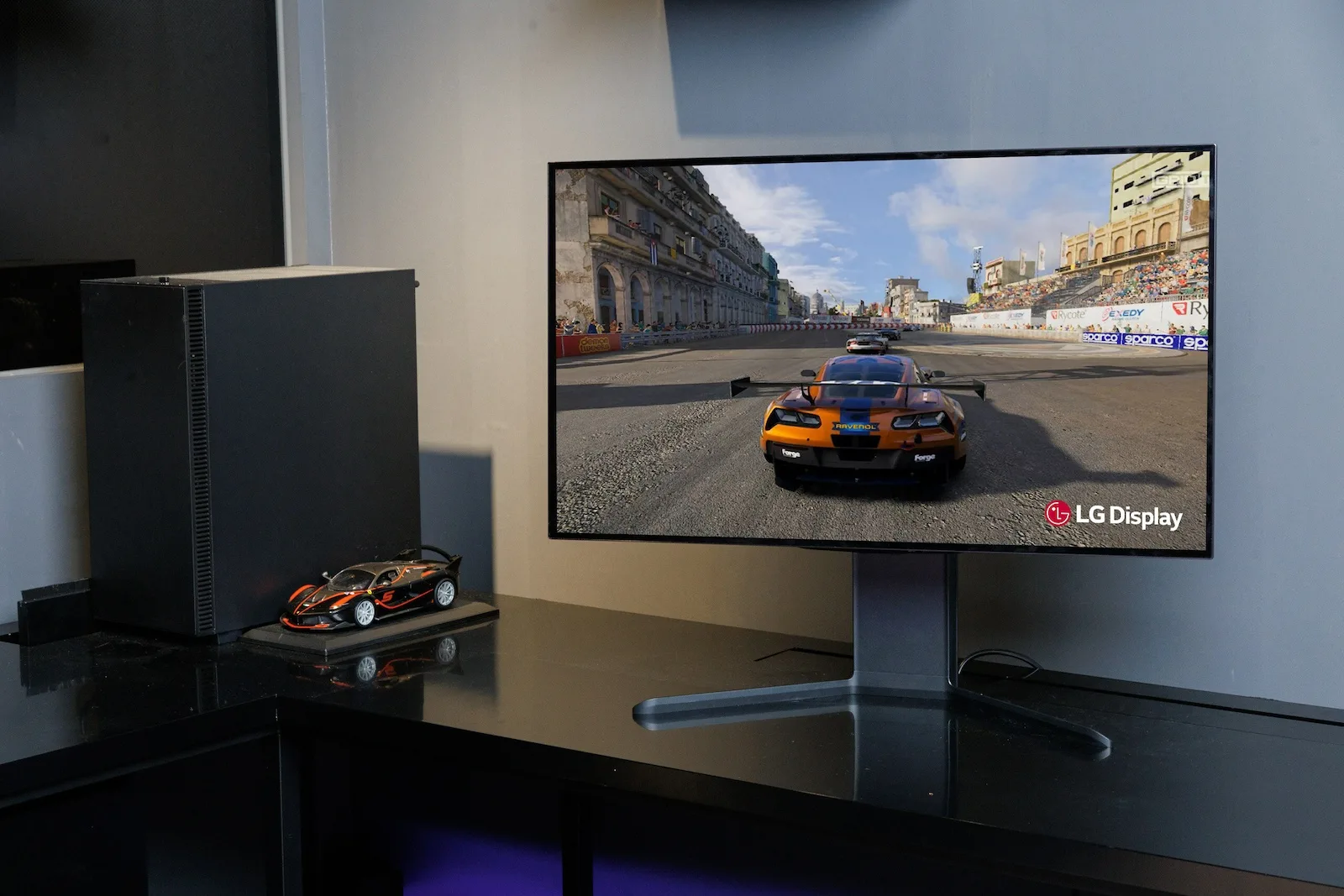
LG Display Tells OEMs: Ready to Mass Produce Gaming OLED Panels with Switchable Refresh Rates
LG Electronics is the first customer for these panels and more are expected to follow now that LG is ready to supply them in quantities.
News
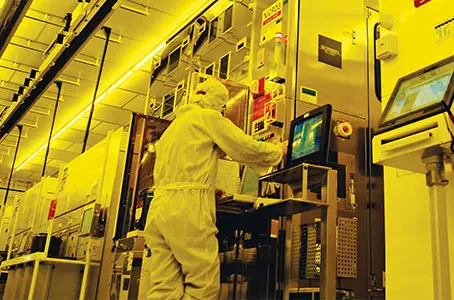
Global Display Fab Utilization Rises Amid Seasonal Recovery and Tech Demand Surg
Despite increases, global fab utilization in Q2’24 is anticipated to reach only 83%.
News
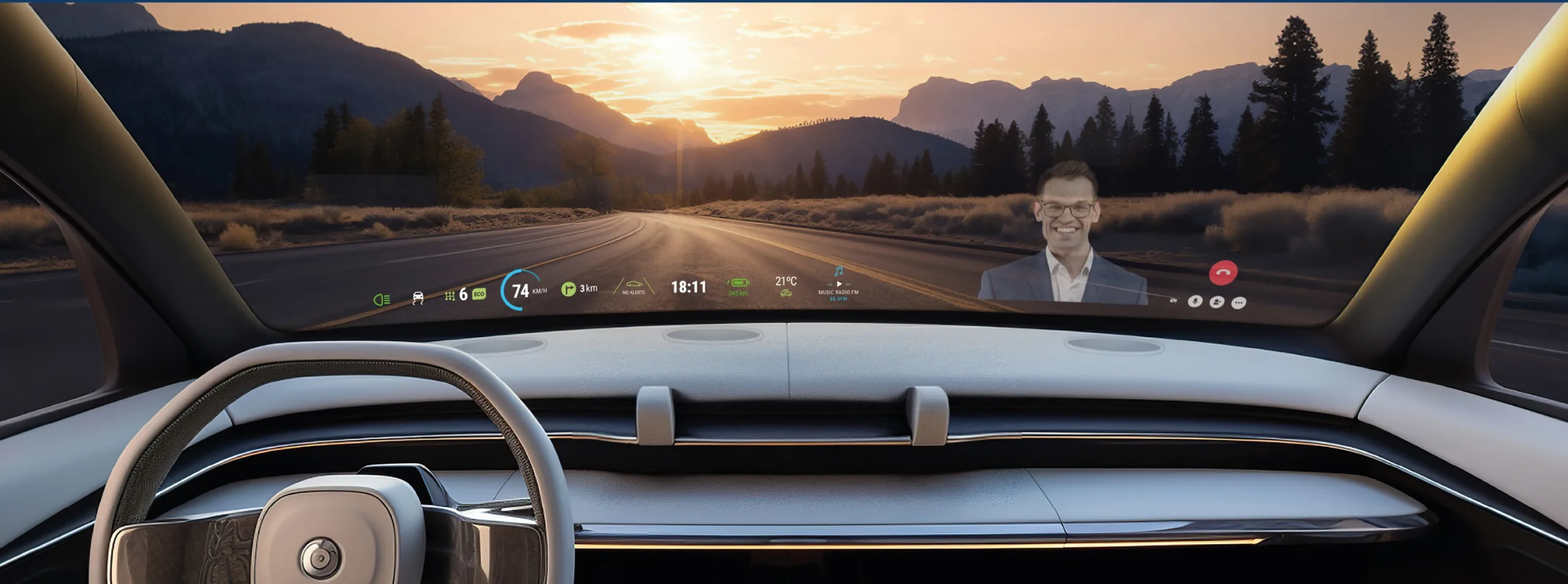
Ceres Holographics Unveils Windscreen HUD with Multiple Transparent Displays
Digital displays are getting pushback from regulators because of driver distraction opening up opportunities for HUDs and holographic displays.
News
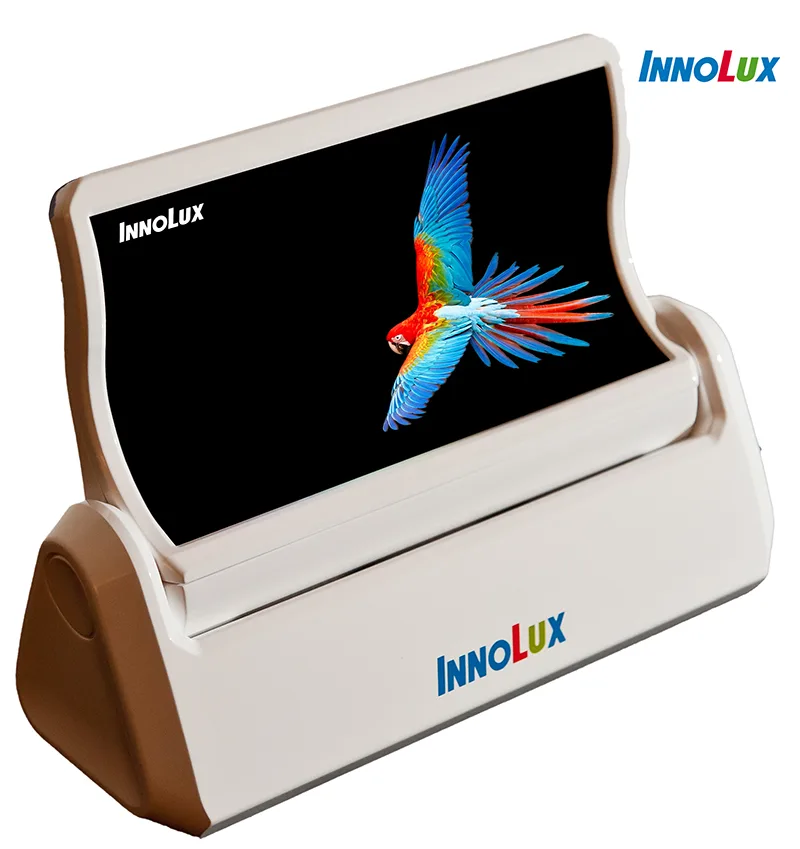
Innolux Unveils Advanced MicroLED Display Technologies for Automotive and Digital Art Applications
The company will be showcasing a 187-inch color conversion MicroLED technology at Touch Taiwan 2024.
News
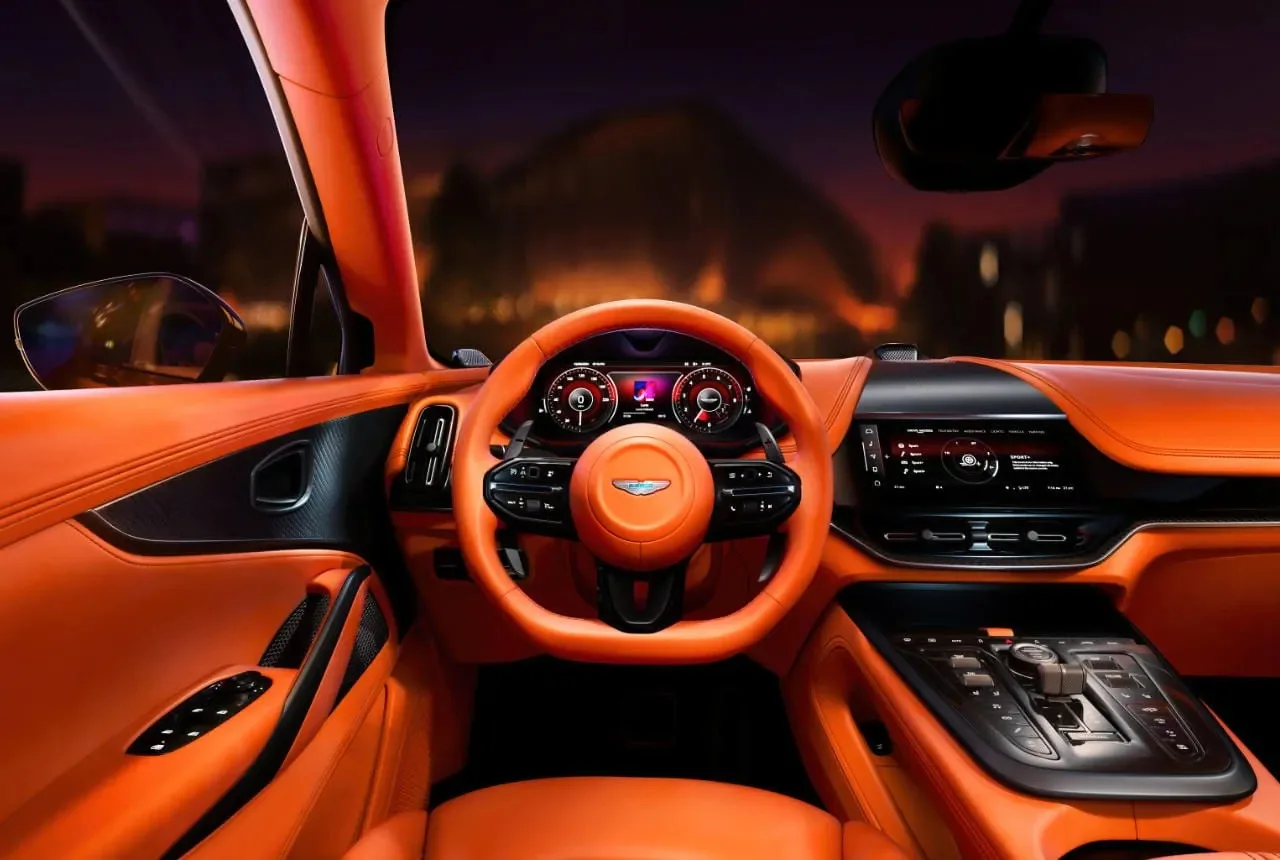
Aston Martin DBX 707 Upgraded With New Interiors and Central Dashboard Display
The company ditches the previous Mercedes-Benz designed infotainment system for its own tech.
News
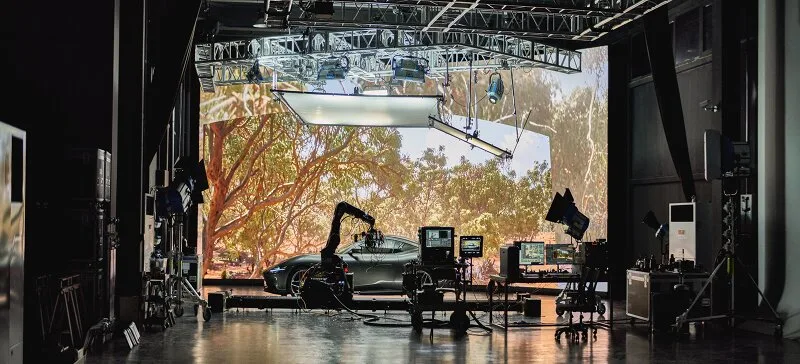
Virtual Production Market Set to Surge to $1.1 Billion by 2028, Propelled by Film Industry and New Corporate, Educational Uses
AI and machine learning are expected to enhance predictive analytics, aiding in better decision-making during production planning.
News
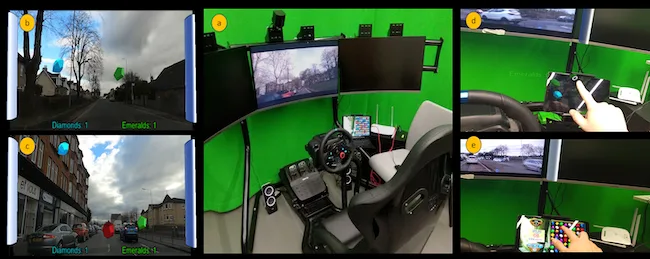
Study Explores How Augmented Reality Could Keep Self-Driving Car ‘Drivers’ Alert
Adding specific visual cues in the AR display significantly improved responsiveness.
Daily

Perovskite for Displays: Diamond in the Rough or Fool’s Gold
he adaptable composition and structure of perovskites, coupled with their ability to form high-quality crystals at low temperatures, continue to drive research and innovation across various technological domains.
Daily
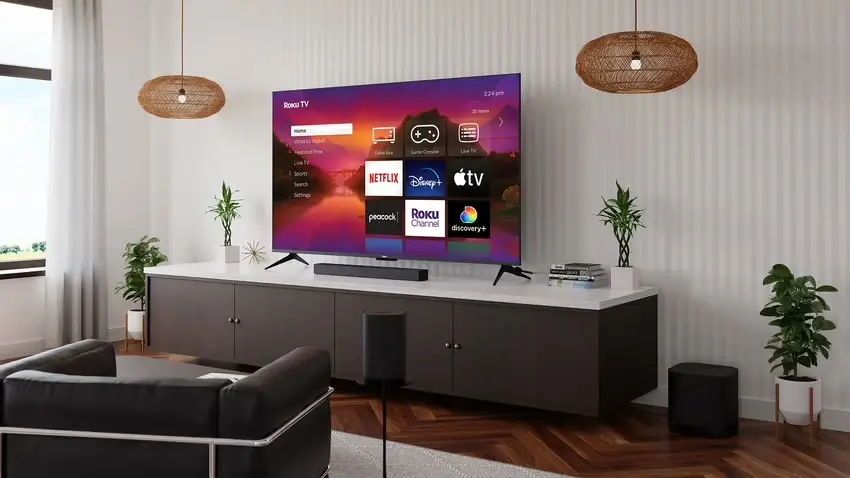
TV Price Wars Heating Up
The stirrings of a price war can be felt if you have your fingers working Amazon’s pages.
Daily
Apple’s Desperate Attempts to Recreate an iPhone Moment
How Apple’s display strategy has dulled its edge.
Daily
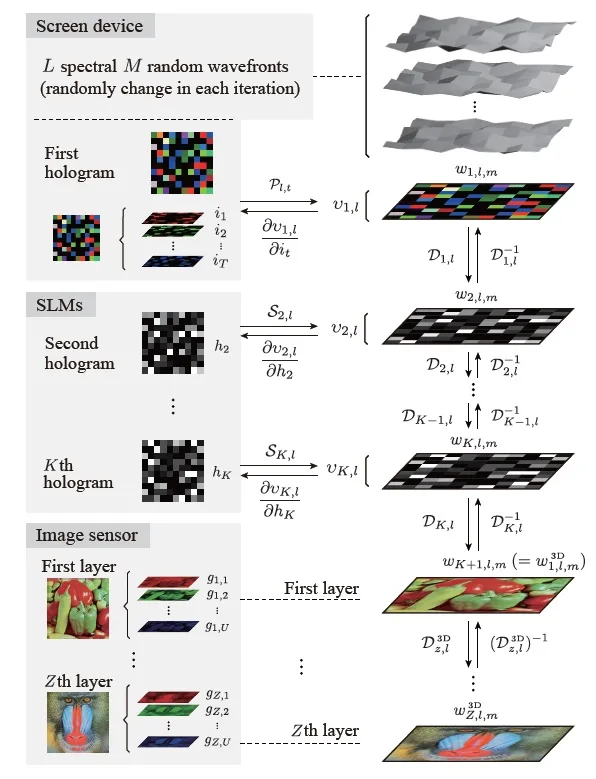
Tokyo Team Transforms Smartphone Screens into 3D Holographic Displays
Researchers find a new way to reduce the complexity and cost of holographic displays.
Daily
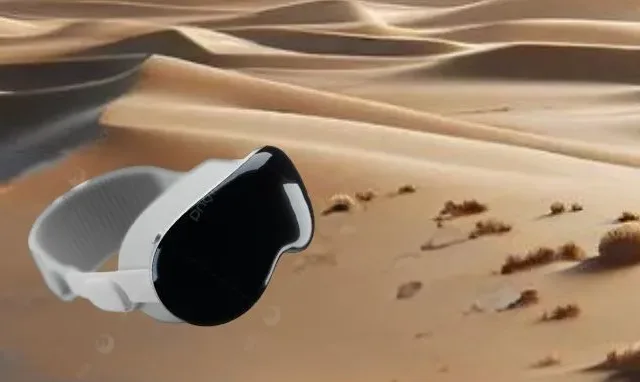
Apple’s Vision Pro Unites British and American Tabloids Echoing Brangelina Breakup
When the world’s greatest tabloids smell blood in the water, the feeding frenzy that ensues destroys everything it its path. First Brangelina, and now, the Vision Pro.
Daily
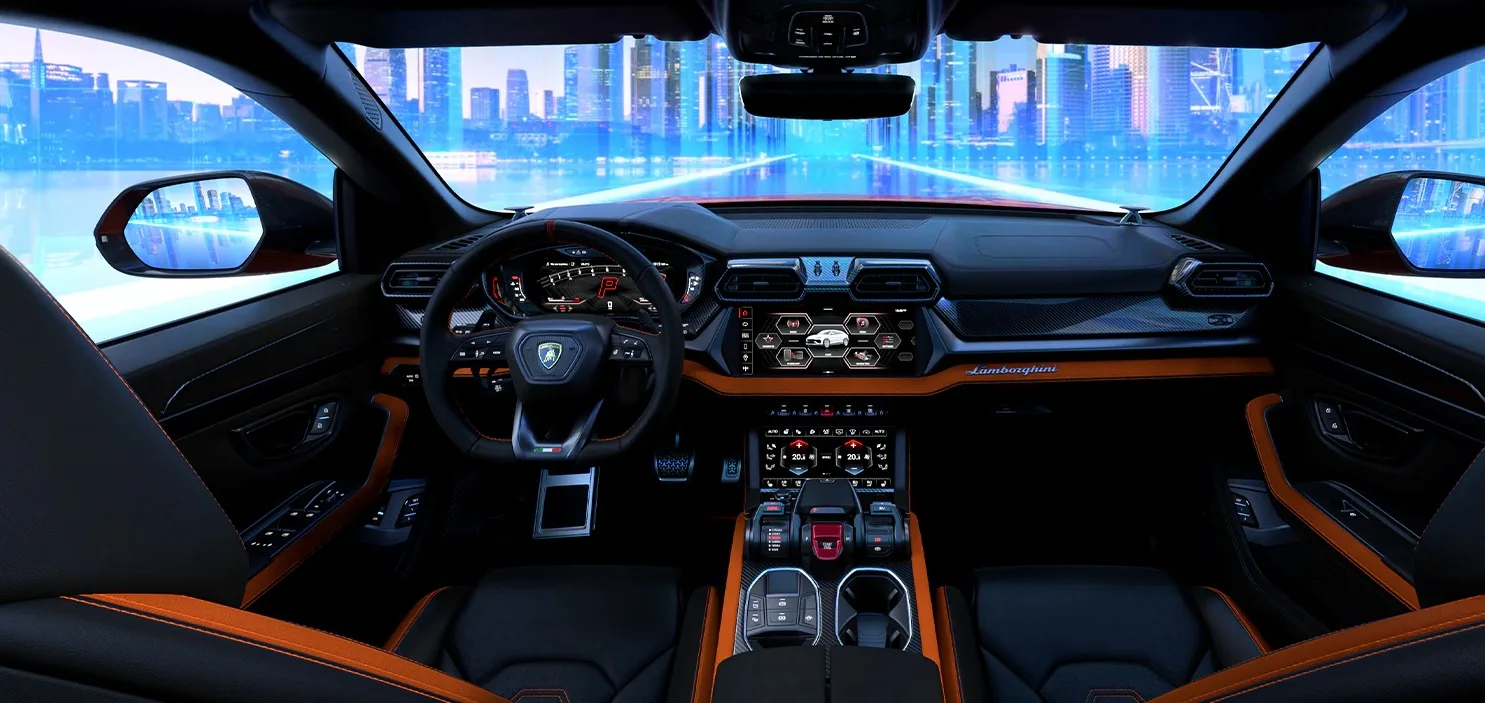
Automotive Displays: Not Enough or Too Much of a Good Thing
Nothing can stop an explosion in automotive displays fueled by growing numbers of hybrids and EVs. Maybe one thing.
Insider
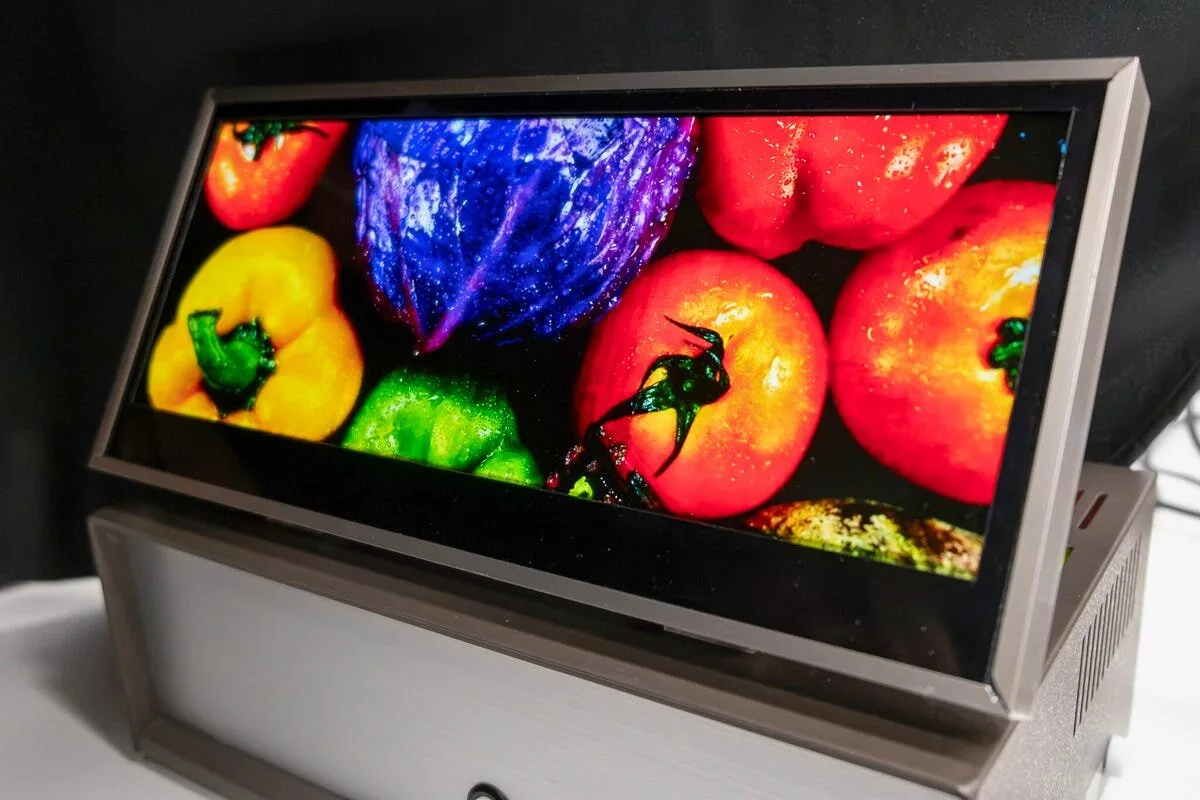
QDEL’s Moment in the Spotlight
Does QDEL have the legs to stay relevant until it is ready for prime time?
Insider
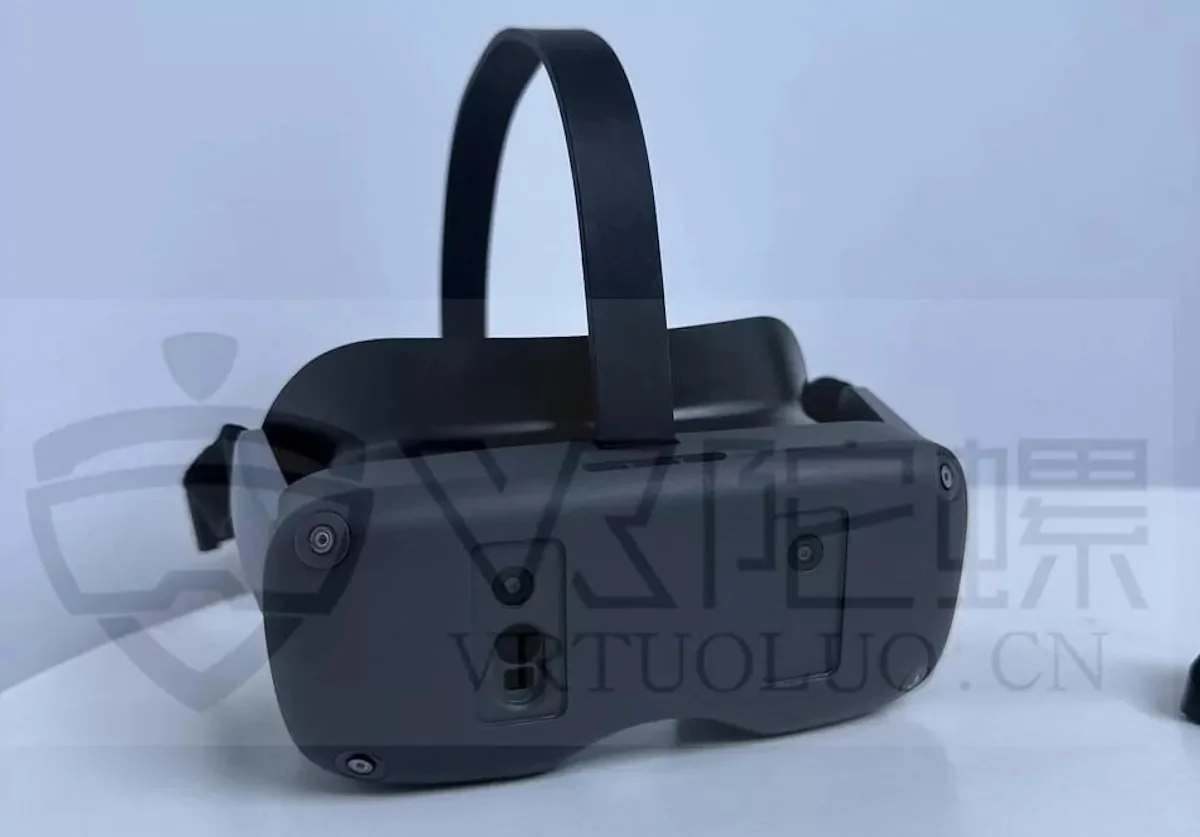
Samsung: Group Hugs Should Happen More Often
One Samsung company chooses Sony over another Samsung company’s offerings. Hell hasn’t frozen over.
Insider
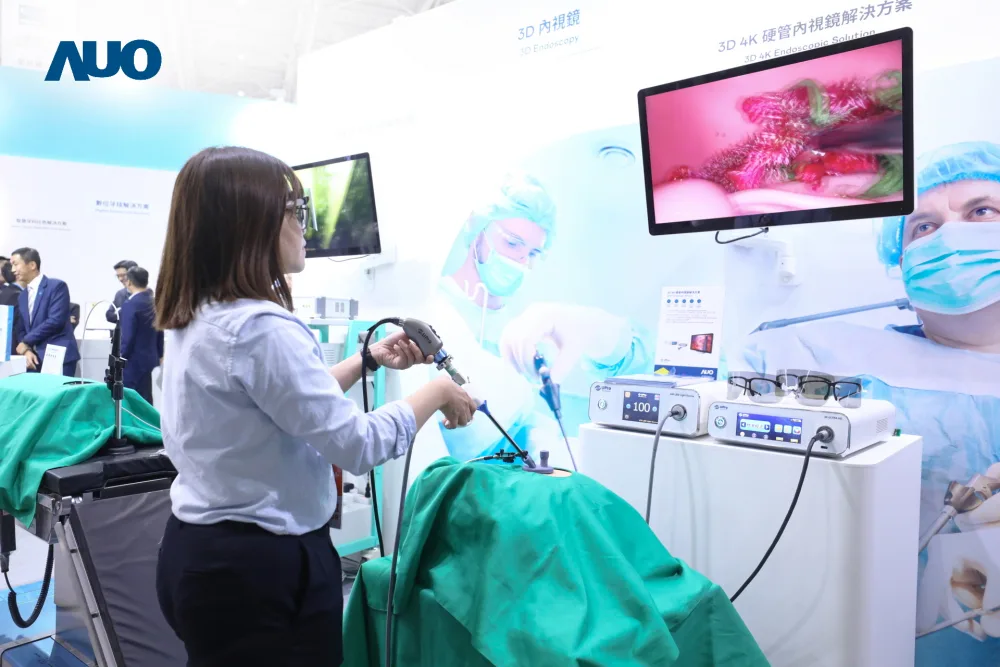
Is AUO Biting off More Than It Can Chew?
The company’s diversification plans are being launched at Touch Taiwan 2024 and they look interesting but overwhelming.
Insider
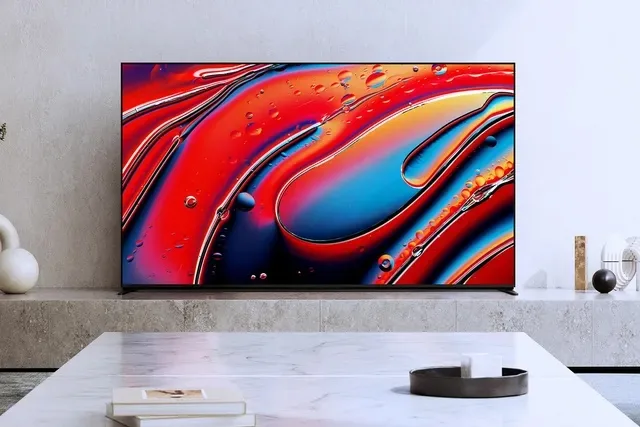
Sony: A Leap in TV Technology to MiniLED
Sony’s not OLED approach to the premium TV market is quaint, and proves why Hisense and TCL will win it.
Insider
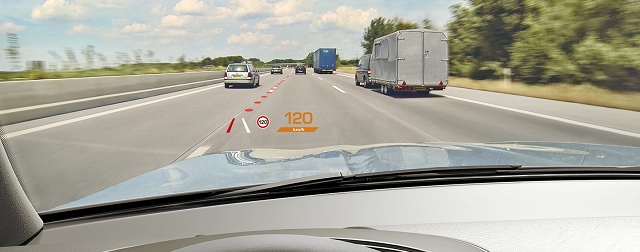
Data and Analysis Driven Display Design
Heads up display in cars is a great idea, it should be happening for every make and model. So, what’s the hold up?
Insider
The BMW i4 Upgrade: Less Knobs, More Central Display
BMW has minimized the use of physical buttons by incorporating the new QuickSelect feature in the iDrive system, which allows for various car functions like climate control and seat and steering wheel heating to be controlled through the center display.
News
Automotive Displays: Not Enough or Too Much of a Good Thing
Nothing can stop an explosion in automotive displays fueled by growing numbers of hybrids and EVs. Maybe one thing.
Insider
Study Explores How Augmented Reality Could Keep Self-Driving Car ‘Drivers’ Alert
Adding specific visual cues in the AR display significantly improved responsiveness.
Daily
Ceres Holographics Unveils Windscreen HUD with Multiple Transparent Displays
Digital displays are getting pushback from regulators because of driver distraction opening up opportunities for HUDs and holographic displays.
News
Innolux Unveils Advanced MicroLED Display Technologies for Automotive and Digital Art Applications
The company will be showcasing a 187-inch color conversion MicroLED technology at Touch Taiwan 2024.
News
Aston Martin DBX 707 Upgraded With New Interiors and Central Dashboard Display
The company ditches the previous Mercedes-Benz designed infotainment system for its own tech.
News